
Finding the best stage monitors for churches usually starts with a Sunday morning disaster. A vocalist straining to hear herself over the drums, a pastor whose voice breaks up mid-sermon, or that whistle of feedback nobody can trace. I have mixed front of house and monitors for worship teams for over a decade, and I have lived every one of those mornings.
Here is the short version. A stage monitor is a speaker that sits on (or beside) the platform and faces the performers, giving each person a personalized mix of vocals and instruments so they stay in tune and in time. Churches need them because reflective sanctuaries, distant main speakers, and loud stage rigs make it nearly impossible for a worship team to hear itself otherwise.
For this guide, I pulled the ten monitors I would actually put on a church platform in 2026, from a lightweight wedge for a 60-seat chapel to a 2000-watt box that can cover a large sanctuary. I dug through owner reviews, spec sheets, and the threads where church sound techs complain honestly about what breaks, what feeds back, and what lasts.
A few patterns kept surfacing in those forum discussions, and they shaped every recommendation here. Monitors that are too big for a small stage. Passive wedges dying when an amp channel clips. Stage volume so loud it wrecks the house mix. Feedback that shows up the moment the volume crosses a threshold. Every pick below had to answer those problems, not just look good on paper.
One decision matters more than any brand name: powered versus passive. Powered monitors have the amplifier built in, so you run one XLR cable and you are done. Passive monitors need an external amplifier, but several church techs I read prefer them because when amp technology changes, you replace the amp, not the whole wedge. I break that trade-off down fully in the buying guide.
Whether you are a volunteer running sound for the first time or a paid technical director upgrading a five-wedge rig, there is a pick here for your room, your team, and your budget.
Table of Contents
- 1Our Top 3 Stage Monitors for Church Worship Teams
- 2Electro-Voice PXM-12MP
- 3Alto TX410
- 4QSC K12.2
- 5Comparing the 10 Best Church Stage Monitors for 2026
- 61. Alto TX410 – The Best Value Powered Monitor for Small Churches
- 7ALTO TX410 350W 10″ Powered PA Speaker
- 8What works
- 9Worth weighing
- 10350 Watts of Bi-Amplified Power in a 10-Inch Cabinet
- 11The Built-In 2-Channel Mixer and Bluetooth That Simplify Rehearsals
- 12Where the Alto TX410 Falls Short
- 132. Sound Town METIS-10MPW – A Budget Wedge with an EQ You Can Actually Reach
- 14Sound Town Powered DJ PA Stage Monitor Speaker 10” 300W with Compression Driver for Live Sound, Bar, Church (METIS-10MPW)
- 15What works
- 16Worth weighing
- 17300 Watts with a 3-Band EQ You Can Actually Reach
- 18Daisy-Chaining XLR Output for Multi-Wedge Stages
- 19Reliability Reports You Should Know About
- 203. Behringer EUROLIVE F1220D – Built-In Feedback Control Church Techs Love
- 21Behringer EUROLIVE F1220D Bi-Amped 250 Watt Monitor Speaker System with 12″ Woofer, 3″ Tweeter and Feedback Filter
- 22What works
- 23Worth weighing
- 24The Built-In Feedback Filter Church Techs Will Love
- 25Bi-Amped Sound Across 45 Hz to 20 kHz
- 26Connections and Cabinet Practicalities
- 274. Peavey PV 12M – The Passive Workhorse with a 5-Year Warranty
- 28Peavey PV 12M 2-Way Floor Monitor, Sunburst, 12 Inch
- 29What works
- 30Worth weighing
- 31Power Handling That Shrugs Off Loud Stage Mixes
- 32The Adjustable 30 or 45 Degree Wedge Angle
- 33What You Must Supply: Amplifier and Speaker Cabling
- 345. Yamaha BR12M – The Highest-Rated Wedge in This Lineup
- 35Yamaha BR12M 12-inch 2-Way Floor Monitor
- 36What works
- 37Worth weighing
- 3897dB Sensitivity Means Less Amplifier for More Volume
- 39Horn Coverage You Can Aim at the Vocalist
- 40Longevity and Why Owners Rate It So Highly
- 416. Yamaha DBR10 – 129 dB from a 21-Pound Cabinet, Backed for 7 Years
- 42YAMAHA DBR10 700-Watt Powered Speaker
- 43What works
- 44Worth weighing
- 45129 dB SPL from a 21-Pound Cabinet
- 46FIR-X Tuning and Neutral Vocal Reproduction
- 47The 7-Year Warranty and Realistic Power Ratings
- 487. Samson RSXM10A – One Switch Turns It From Wedge to Front of House
- 49Samson RSXM10A – 800W 2-Way Active Stage Monitor, Black
- 50What works
- 51Worth weighing
- 52The Coaxial Driver Advantage for Consistent Coverage
- 53FOH/Monitor Switch: One Box, Two Jobs
- 54Linking Multiple Wedges Across the Platform
- 558. QSC CP8 – The 10-Pound Monitor for Crowded Platforms
- 56QSC CP8 8″ Compact Powered Loudspeaker
- 57What works
- 58Worth weighing
- 59A 10-Pound Monitor Rated for 1000 Watts Peak
- 60DSP Contours and Intrinsic Correction in Plain Terms
- 61Small-Stage Placement Ideas That Work
- 629. QSC K12.2 – The 2000-Watt Pick for Large Sanctuaries
- 63QSC K12.2 Active 12″ Powered 2000 Watt Loudspeaker
- 64What works
- 65Worth weighing
- 662000 Watts and Preset Scenes You Can Recall Instantly
- 67Main PA One Week, Monitor Wedge the Next
- 68Weight, Handling, and Long-Term Ownership
- 6910. Electro-Voice PXM-12MP – Editor’s Choice for Integrated Mixing and DSP
- 70Electro-Voice Pxm 12MP 12 700W Powered Coaxial Monitor (Black)
- 71What works
- 72Worth weighing
- 73Coaxial Clarity Across a 90 by 90 Coverage Pattern
- 74The Onboard Mixer and DSP That Replace a Rack
- 75Feedback Notch Filter and Subwoofer Pairing
- 76How to Choose Stage Monitors for Your Church
- 77Powered vs Passive: The Real Trade-Off for Church Sound
- 78How Much Wattage Your Sanctuary Actually Needs
- 79Wedge Placement and Feedback Prevention in Church Acoustics
- 80Matching Monitors to Roles: Pastor, Vocalist, Drummer, and Choir
- 81Floor Wedges vs In-Ear Monitors for Worship Teams
- 82Frequently Asked Questions
- 83What is the best stage monitor for a church?
- 84How many watts should a church stage monitor be?
- 85Are powered or passive stage monitors better for churches?
- 86Are in-ear monitors better than floor wedges for churches?
- 87How do I stop church stage monitors from feeding back?
- 88Final Verdict: Match the Monitor to the Ministry
Our Top 3 Stage Monitors for Church Worship Teams
Three monitors rose to the top for church use. The Electro-Voice PXM-12MP earns our Editor’s Choice for its coaxial clarity, onboard 3-input mixer, and a DSP feedback notch filter that solves the number one church monitor complaint. The Alto TX410 takes Best Value with 350 bi-amped watts, a built-in 2-channel mixer, and a 15-pound cabinet one volunteer can carry. The QSC K12.2 is our Premium Pick, delivering 2000 watts and recallable scene presets for large sanctuaries that also need a main PA workhorse.

Electro-Voice PXM-12MP
- 700W coaxial design
- 3-input built-in mixer
- DSP with feedback notch filter

Alto TX410
- 350W bi-amped power
- Built-in 2-channel mixer
- 15 lbs with Bluetooth
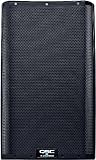
QSC K12.2
- 2000W Class-D module
- Recallable preset scenes
- Doubles as main PA
As an Amazon Associate we earn from qualifying purchases. CERTAIN CONTENT THAT APPEARS ON THIS SITE COMES FROM AMAZON. THIS CONTENT IS PROVIDED 'AS IS' AND IS SUBJECT TO CHANGE OR REMOVAL AT ANY TIME.
If your platform is small and your team is mostly vocalists, start with the Alto. If you are building a serious stage rig where the worship leader needs a clean, mixable wedge, the Electro-Voice justifies every dollar.
Comparing the 10 Best Church Stage Monitors for 2026
This table puts all ten picks side by side so you can filter by size, power, and intended role at a glance. Every model here is one I would install on a church platform without hesitation.
| The pick | What you get | Where to get it |
|---|---|---|
| 1Alto TX410 |
|
Check Latest Price |
2 Sound Town METIS-10MPW Sound Town METIS-10MPW |
|
Check Latest Price |
3 Behringer F1220D Behringer F1220D |
|
Check Latest Price |
4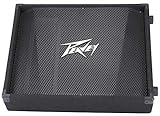 Peavey PV 12M Peavey PV 12M |
|
Check Latest Price |
5 Yamaha BR12M Yamaha BR12M |
|
Check Latest Price |
6 Yamaha DBR10 Yamaha DBR10 |
|
Check Latest Price |
7 Samson RSXM10A Samson RSXM10A |
|
Check Latest Price |
8 QSC CP8 QSC CP8 |
|
Check Latest Price |
| 9QSC K12.2 |
|
Check Latest Price |
| 10Electro-Voice PXM-12MP |
|
Check Latest Price |
As an Amazon Associate we earn from qualifying purchases, at no additional cost to you. CERTAIN CONTENT THAT APPEARS ON THIS SITE COMES FROM AMAZON. THIS CONTENT IS PROVIDED 'AS IS' AND IS SUBJECT TO CHANGE OR REMOVAL AT ANY TIME.
Notice how the list moves roughly in order of output and capability. The first three handle small stages, the middle block covers small-to-medium rooms, and the last three are built for large sanctuaries and dual PA duty.
1. Alto TX410 – The Best Value Powered Monitor for Small Churches
ALTO TX410 350W 10″ Powered PA Speaker
- 350W bi-amped Class-D
- 10 inch woofer with 1 inch titanium compression driver
- 15 lbs
- XLR, RCA, 1/4 inch, Bluetooth
What works
- Excellent value for the money
- Clear distortion-free sound at high volume
- Versatile 2-channel mixer
- Lightweight at 15 lbs with carry handles
- Works as main PA or floor wedge
Worth weighing
- 36mm stand mount is slightly oversized
- Bass response weakens outdoors
- Feels light for road use without a case
As an Amazon Associate we earn from qualifying purchases, at no additional cost to you. CERTAIN CONTENT THAT APPEARS ON THIS SITE COMES FROM AMAZON. THIS CONTENT IS PROVIDED 'AS IS' AND IS SUBJECT TO CHANGE OR REMOVAL AT ANY TIME.
The Alto TX410 is the monitor I hand to churches that need three wedges and have a volunteer crew with no sound background. It delivers 350 bi-amplified watts, with 250 watts pushing the low end and 100 watts on the high driver, all from a cabinet you can carry one-handed at 15 pounds.
In use, it does the two things a church monitor must do: it gets vocal clarity up front, and it refuses to sound harsh when the volunteer pushes it. The 10-inch woofer and 1-inch titanium diaphragm compression driver sit behind a 90 by 60 degree horn, which spreads sound wide enough that two singers can share one wedge on a tight platform.
With 747 reviews and a 4.6-star average, it is also the most battle-tested pick in this lineup. That matters when you are buying sight unseen for a building that runs sound 52 Sundays a year.
350 Watts of Bi-Amplified Power in a 10-Inch Cabinet
Bi-amplified means the woofer and the high-frequency driver each get their own dedicated amplifier section, with an internal crossover splitting the signal. In practice, that design keeps vocals clean when the low end is working hard, which is exactly what happens when a bass player plugs into the same stage mix.
For a small sanctuary or a platform that only needs vocal and click tracking, 350 watts is plenty. Owners consistently report distortion-free sound even at high volume, which tells me the limiter is doing its job rather than just existing on the spec sheet.
Just keep expectations realistic outdoors. Like most 10-inch boxes, the bass thins out in open air, so a portable church meeting in a park will want a subwoofer if the service includes full-band playback.
The Built-In 2-Channel Mixer and Bluetooth That Simplify Rehearsals
The onboard 2-channel mixer accepts a mic or line source plus a Bluetooth stream, and that second input changes how rehearsals work. The worship leader can pair a phone, send the click and guide tracks straight to the monitor, and leave the main mixer free for microphones.
TWS Bluetooth pairing means two TX410s can link as a true stereo pair for practice rooms. Midweek rehearsal becomes a two-minute setup instead of a cable hunt.
Where the Alto TX410 Falls Short
The speaker stand mount measures 36mm, a hair larger than the 35mm stands most churches already own, so check your stands before ordering. A few owners also note the cabinet feels light for constant road duty, and a soft case is a smart add-on if you transport it weekly.
None of those issues touch the core mission. For a small church that needs clear vocal monitoring without a steep learning curve, this is the value pick to beat.
Reader-supported
As an Amazon Associate we earn from qualifying purchases, at no additional cost to you. CERTAIN CONTENT THAT APPEARS ON THIS SITE COMES FROM AMAZON. THIS CONTENT IS PROVIDED 'AS IS' AND IS SUBJECT TO CHANGE OR REMOVAL AT ANY TIME.
2. Sound Town METIS-10MPW – A Budget Wedge with an EQ You Can Actually Reach
Sound Town Powered DJ PA Stage Monitor Speaker 10” 300W with Compression Driver for Live Sound, Bar, Church (METIS-10MPW)
- 300W integrated amplifier
- 10 inch woofer with 1 inch titanium compression driver
- Onboard 3-band EQ
- XLR daisy chain output
What works
- Affordable powered monitor with solid 300W output
- Onboard 3-band EQ for quick tonal fixes
- XLR output for daisy chaining
- Reinforced corners and metal grille
Worth weighing
- Mixed reliability reports with some dead arrivals
- Bass is underpowered for larger sanctuaries
- Limited input options
As an Amazon Associate we earn from qualifying purchases, at no additional cost to you. CERTAIN CONTENT THAT APPEARS ON THIS SITE COMES FROM AMAZON. THIS CONTENT IS PROVIDED 'AS IS' AND IS SUBJECT TO CHANGE OR REMOVAL AT ANY TIME.
The Sound Town METIS-10MPW is a purpose-built floor wedge rather than a repurposed PA speaker, and that shows in its low-profile shape. It sits low on the platform, aims sound up at the performer, and stays out of sight lines, which matters when cameras are broadcasting the service.
Inside is a 300-watt integrated amplifier driving a 10-inch woofer and a 1-inch titanium compression driver. That is honest, useful power for a choir loft corner or a vocalist position in a small sanctuary.
The standout feature for church techs is the onboard 3-band EQ. When a wedge starts to ring in a live room, reaching down and pulling back the midrange knob is faster than walking back to the mixer.
300 Watts with a 3-Band EQ You Can Actually Reach
Bass, mid, and treble controls on the back panel let you tune the wedge to the room it lives in. Church sanctuaries are often reflective, with hard ceilings and glass, and a small midrange cut does more for feedback control than any amount of amplifier power.
I would set the EQ flat, bring the volume up until the team can hear, and only then cut the band that starts to ring. That one habit prevents most of the feedback complaints I read in church sound forums.
The titanium compression driver keeps vocals present without the harsh edge that cheaper horns develop at volume. For spoken word and vocal monitoring, it holds its own against boxes costing considerably more.
Daisy-Chaining XLR Output for Multi-Wedge Stages
The XLR line input and output let you chain a second wedge off the first, which is how you build a three-point monitor rig from one mixer send. If your mixer has limited auxiliary outputs, and most church mixers do, that feature saves an entire monitor mix.
There is also a quarter-inch auxiliary input and a 1/8-inch MP3 input for rehearsal playback. The input selection is thinner than the Alto above, but for a pure monitor role, you only need one line in and one line out.
Reliability Reports You Should Know About
The honest caveat is that reliability reports are mixed, and a small number of units arrive dead on arrival. Sound Town’s customer support gets good marks for resolving those cases, but budget for a little patience and test the wedge as soon as it arrives.
At a 4.2-star average across 106 reviews, most owners are satisfied. Buy this for a secondary wedge position or a tight budget, and buy the heavier-duty picks below for the worship leader’s primary mix.
Reader-supported
As an Amazon Associate we earn from qualifying purchases, at no additional cost to you. CERTAIN CONTENT THAT APPEARS ON THIS SITE COMES FROM AMAZON. THIS CONTENT IS PROVIDED 'AS IS' AND IS SUBJECT TO CHANGE OR REMOVAL AT ANY TIME.
3. Behringer EUROLIVE F1220D – Built-In Feedback Control Church Techs Love
Behringer EUROLIVE F1220D Bi-Amped 250 Watt Monitor Speaker System with 12″ Woofer, 3″ Tweeter and Feedback Filter
- 250W bi-amped Class-D
- 12 inch woofer with 3 inch tweeter
- Built-in adjustable feedback filter
- 45 Hz to 20 kHz
What works
- Built-in feedback filter with adjustable frequency
- Bi-amplified design with limiter protection
- Wide 45 Hz to 20 kHz range
- Versatile connectivity including Speakon
Worth weighing
- Limited input and output options
- Can sound underpowered in larger rooms
- Not Prime eligible
As an Amazon Associate we earn from qualifying purchases, at no additional cost to you. CERTAIN CONTENT THAT APPEARS ON THIS SITE COMES FROM AMAZON. THIS CONTENT IS PROVIDED 'AS IS' AND IS SUBJECT TO CHANGE OR REMOVAL AT ANY TIME.
The Behringer EUROLIVE F1220D answers the single most common church monitor complaint I found in forum threads: feedback. It has a built-in feedback filter with an adjustable frequency, so when a wedge starts to howl at 2 kilohertz, you dial the filter to that frequency and the ring disappears.
That is a feature normally reserved for outboard gear or digital mixer processing. Having it on the back of the wedge means a volunteer can fix a feedback problem in seconds, mid-song, without touching the console.
The cabinet pairs a 12-inch woofer with a 3-inch tweeter and a 250-watt bi-amplified Class-D section. The 12-inch driver gives vocals a chesty warmth that 10-inch wedges can lack, which suits worship vocals and spoken word alike.
The Built-In Feedback Filter Church Techs Will Love
Feedback happens when a microphone picks up sound from the monitor at a frequency the system reinforces. The F1220D lets you sweep a notch filter to that exact frequency and cut it without hollowing out the whole vocal.
In a reflective sanctuary, this one control is the difference between a monitor you can push and a monitor you have to babysit. Several owners describe it as the reason they chose this model over cheaper wedges.
An integrated limiter protects the drivers from clipped signals, which is the failure mode that kills most church monitors. When a volunteer pushes the gain, the limiter catches it instead of the tweeter.
Bi-Amped Sound Across 45 Hz to 20 kHz
The stated frequency response of 45 Hz to 20 kHz is genuinely wide for a stage wedge. Low-end extension matters less for vocals, but it does help bass and keys players who share a mix feel grounded in the music.
A bass boost switch adds low-end weight when a musician asks for more thump. I would leave it off for vocal wedges and enable it only for instrument positions.
Connections and Cabinet Practicalities
You get XLR, quarter-inch TRS and TS, RCA, and Speakon connections, which covers every signal source a church is likely to feed it. At 23.6 pounds, it is light enough to reposition quickly, and Behringer backs it with a 3-year warranty.
The trade-offs are modest. Some owners report it sounds underpowered in larger rooms, which matches its 250-watt rating, and it is not Prime eligible, so shipping takes a few extra days. For small-to-medium sanctuaries where feedback is the enemy, it is an easy call.
Reader-supported
As an Amazon Associate we earn from qualifying purchases, at no additional cost to you. CERTAIN CONTENT THAT APPEARS ON THIS SITE COMES FROM AMAZON. THIS CONTENT IS PROVIDED 'AS IS' AND IS SUBJECT TO CHANGE OR REMOVAL AT ANY TIME.
4. Peavey PV 12M – The Passive Workhorse with a 5-Year Warranty
Peavey PV 12M 2-Way Floor Monitor, Sunburst, 12 Inch
- 500W program / 1000W peak passive
- 12 inch Sheffield Pro woofer
- 1.4 inch titanium compression driver
- Adjustable 30 or 45 degree angle
What works
- Exceptional 500W program power handling
- Rugged build backed by a 5-year warranty
- Adjustable 30 or 45 degree floor angle
- Doubles as a pole-mounted main speaker
Worth weighing
- Passive design requires an external amplifier
- Heavy at 41 lbs
- Limited availability
As an Amazon Associate we earn from qualifying purchases, at no additional cost to you. CERTAIN CONTENT THAT APPEARS ON THIS SITE COMES FROM AMAZON. THIS CONTENT IS PROVIDED 'AS IS' AND IS SUBJECT TO CHANGE OR REMOVAL AT ANY TIME.
The Peavey PV 12M is the pick for churches that already own a quality amplifier or powered mixer and want wedges that outlive several generations of technology. It is passive, handling 500 watts program and 1000 watts peak, which means the amp lives in a rack far from spilled coffee and dropped microphones.
That is the longevity argument several church techs made in forum threads. When amplifier technology moves on, you swap the amp, not the wedge.
An 82 percent five-star review rate across 54 reviews tells you how owners feel about it. Peavey built this cabinet for gigging bands, and a church platform is an easy life by comparison.
Power Handling That Shrugs Off Loud Stage Mixes
The 12-inch Sheffield Pro 1200+ woofer uses a 2.5-inch voice coil, which is a larger motor structure than most wedges in this class. Bigger voice coils handle heat better, and heat is what kills speakers during long services.
Up top, the 14XT compression driver uses a 1.4-inch titanium diaphragm for vocal presence, and Peavey’s Sound Guard IV circuit protects the high driver from overload. When a guest speaker grabs a mic and gets loud, that protection circuit earns its keep.
Paired with a well-matched amplifier, this wedge gets loud without strain. Just match the amp to the speaker’s program rating rather than its peak, or you will trade headroom for blown drivers.
The Adjustable 30 or 45 Degree Wedge Angle
The cabinet converts between a 30-degree and a 45-degree monitor angle, and that adjustment is more useful than it sounds. Thirty degrees works when the vocalist stands close and tall behind the wedge, while 45 degrees aims sound up at a drummer on a riser or a choir on back risers.
The die-cast aluminum pole mount means it converts to a main speaker for outdoor services or overflow rooms. One inventory, two jobs, which is exactly what a stretched church budget needs.
What You Must Supply: Amplifier and Speaker Cabling
Because it is passive, you need an external amplifier or a powered mixer, plus speaker cabling rather than XLR. Factor that into the total system cost before you compare it to the powered picks here.
At 41 pounds, it is the heaviest wedge in this lineup, so plan for two-person handling or a permanent spot on the platform. Availability is limited, so if you want a matched pair, order them together.
Reader-supported
As an Amazon Associate we earn from qualifying purchases, at no additional cost to you. CERTAIN CONTENT THAT APPEARS ON THIS SITE COMES FROM AMAZON. THIS CONTENT IS PROVIDED 'AS IS' AND IS SUBJECT TO CHANGE OR REMOVAL AT ANY TIME.
5. Yamaha BR12M – The Highest-Rated Wedge in This Lineup
Yamaha BR12M 12-inch 2-Way Floor Monitor
- 300W program / 600W peak passive
- 12 inch woofer with Bass Reflex
- 1 inch compression driver on 90x40 horn
- 97dB sensitivity
What works
- Highest customer rating in our roundup at 4.9 stars
- 97dB sensitivity delivers volume from modest amplifiers
- Focused 90x40 CD horn for vocal coverage
- 3-year Yamaha warranty
Worth weighing
- Passive design requires an external amplifier
- Only 27 customer reviews so far
- Not Prime eligible
As an Amazon Associate we earn from qualifying purchases, at no additional cost to you. CERTAIN CONTENT THAT APPEARS ON THIS SITE COMES FROM AMAZON. THIS CONTENT IS PROVIDED 'AS IS' AND IS SUBJECT TO CHANGE OR REMOVAL AT ANY TIME.
The Yamaha BR12M carries the highest customer rating of any monitor in this guide at 4.9 stars. That score comes from a smaller pool of 27 reviews, so I read them closely, and the theme is consistent: Yamaha build quality that just does not quit.
Yamaha’s reputation among church sound techs is close to legendary, and this passive wedge shows why. The cabinet is built with computerized high-precision woodworking, which in practice means tight joints and no cabinet buzz at volume.
It handles 300 watts program and 600 watts peak, driven by whatever amplifier your rack already owns. If your church has run Yamaha mains for years, this wedge will sound like home the moment you power it up.
97dB Sensitivity Means Less Amplifier for More Volume
Sensitivity measures how loud a speaker plays from a given amount of power. At 97dB, the BR12M is efficient enough that a modest amplifier drives it to full stage volume without strain.
For a church, that has a real cost benefit. You can pair this wedge with a smaller, gentler amplifier channel and still hit the levels a loud contemporary band demands.
The flip side of a passive, high-sensitivity design is that amplifier choice shapes the character. Give it clean power and it rewards you with that balanced, unexaggerated Yamaha voicing.
Horn Coverage You Can Aim at the Vocalist
The 1-inch compression driver fires through a 90 by 40 degree constant-directivity horn. That narrower vertical pattern concentrates high frequencies, where feedback lives, on the performer instead of the ceiling.
Bass Reflex porting in the cabinet tightens the low end from the 12-inch woofer. Vocals sound full rather than thin, and backing tracks keep their weight.
Large steel handles and corner protectors shrug off the knocks of a shared platform, and a built-in pole socket converts it to a main speaker when needed. Yamaha covers it with a 3-year warranty.
Longevity and Why Owners Rate It So Highly
The recurring phrase in owner reviews is reliability over years of use. Integral protection circuitry guards the drivers, which addresses the blown-passive-monitor pain point I saw repeatedly in church audio forums.
Weighing 34.4 pounds, it is manageable for one adult to reposition. If your church already runs passive infrastructure and wants a wedge that will still be singing in a decade, this is my top passive recommendation after the Peavey.
Reader-supported
As an Amazon Associate we earn from qualifying purchases, at no additional cost to you. CERTAIN CONTENT THAT APPEARS ON THIS SITE COMES FROM AMAZON. THIS CONTENT IS PROVIDED 'AS IS' AND IS SUBJECT TO CHANGE OR REMOVAL AT ANY TIME.
6. Yamaha DBR10 – 129 dB from a 21-Pound Cabinet, Backed for 7 Years
YAMAHA DBR10 700-Watt Powered Speaker
- 700W powered
- 10 inch bi-amped
- 129 dB SPL
- 21 lbs with 7-year warranty
What works
- Clear neutral sound ideal for vocal clarity
- Lightweight at 21 lbs for easy portability
- 129 dB SPL output for its size
- Excellent 7-year warranty
Worth weighing
- No built-in Bluetooth
- Actual RMS power sits below the peak rating
As an Amazon Associate we earn from qualifying purchases, at no additional cost to you. CERTAIN CONTENT THAT APPEARS ON THIS SITE COMES FROM AMAZON. THIS CONTENT IS PROVIDED 'AS IS' AND IS SUBJECT TO CHANGE OR REMOVAL AT ANY TIME.
The Yamaha DBR10 is the powered wedge I recommend when a church wants set-and-forget reliability. It is rated at 700 watts, produces up to 129 dB of sound pressure, and weighs just 21 pounds, so any volunteer can move it.
The 7-year warranty is the longest in this lineup and longer than most churches keep any single piece of gear. That coverage tells you how confident Yamaha is in the amplifier module.
Sound-wise, the DBR series is tuned to be neutral rather than flattering. For vocal monitoring, neutral is exactly what you want, because what the singer hears in the wedge matches what the congregation hears in the room.
129 dB SPL from a 21-Pound Cabinet
SPL, or sound pressure level, describes maximum loudness, and 129 dB from a 10-inch box is serious output. To put it in context, that is more than enough to cut through a full drum kit on a contemporary platform.
The bi-amped design splits 700 watts between the low and high drivers with onboard DSP handling the crossover. Vocals stay articulate even when the wedge is working hard beside a loud stage.
Because it is so light, it also makes a superb portable unit for youth rooms, offsite events, and mission trips. One person, one trip from the van.
FIR-X Tuning and Neutral Vocal Reproduction
Yamaha’s FIR-X tuning uses digital filtering to align the woofer and the compression driver in time, which tightens the crossover region where vocals live. The payoff is a wedge where words stay intelligible at every volume.
The stated frequency range runs from 55 Hz to 20 kHz, giving vocalists enough low-end warmth to feel the band without a subwoofer. Piano and acoustic guitar reproduce faithfully too, which the worship team will notice on unplugged Sundays.
The 7-Year Warranty and Realistic Power Ratings
Two honest caveats. There is no built-in Bluetooth, so wireless playback needs an adapter, and the true continuous power is lower than the peak figure, at roughly 260 watts for the low driver and 65 watts for the high.
That is normal across the powered speaker market, and Yamaha is more transparent than most. Judged by real output rather than marketing math, the DBR10 remains one of the best-powered vocal monitors a church can buy.
Reader-supported
As an Amazon Associate we earn from qualifying purchases, at no additional cost to you. CERTAIN CONTENT THAT APPEARS ON THIS SITE COMES FROM AMAZON. THIS CONTENT IS PROVIDED 'AS IS' AND IS SUBJECT TO CHANGE OR REMOVAL AT ANY TIME.
7. Samson RSXM10A – One Switch Turns It From Wedge to Front of House
Samson RSXM10A – 800W 2-Way Active Stage Monitor, Black
- 800W active 2-way
- 10 inch coaxial design
- XLR and 1/4 inch combo input with XLR link
- FOH/Monitor selector switch
What works
- 800W output in a compact coaxial design
- FOH/Monitor switch optimizes sound for either job
- All-wood cabinet for warm tone
- XLR link output for chaining wedges
Worth weighing
- Not Prime eligible
- Limited stock availability
As an Amazon Associate we earn from qualifying purchases, at no additional cost to you. CERTAIN CONTENT THAT APPEARS ON THIS SITE COMES FROM AMAZON. THIS CONTENT IS PROVIDED 'AS IS' AND IS SUBJECT TO CHANGE OR REMOVAL AT ANY TIME.
The Samson RSXM10A solves a problem every growing church hits: the same speaker needs to be a floor wedge on Sunday and a front-of-house speaker for the youth event on Wednesday. A selector switch on the cabinet flips between FOH and Monitor modes, re-voicing the DSP for each job.
It pushes 800 watts through a compact 10-inch coaxial design in an all-wood cabinet. Wood matters more than it gets credit for, contributing a warmer, less boxy tone than plastic enclosures.
At 30 pounds, it is substantial but still one-person portable. With 111 reviews at 4.4 stars, it has a solid track record in exactly these dual-role deployments.
The Coaxial Driver Advantage for Consistent Coverage
In a coaxial design, the high-frequency driver sits in the center of the woofer, so both drivers radiate from the same point. The result is that the sound stays consistent as the performer moves side to side across the platform.
Conventional two-way wedges can shift in tone as you move off axis, which is why a singer hears a different mix when she steps left. Coaxial designs minimize that, and it is the same approach behind the premium Electro-Voice pick later in this list.
For choir positions where several people share one wedge, that even coverage is a genuine advantage over conventional designs.
FOH/Monitor Switch: One Box, Two Jobs
Flip the switch to Monitor and the voicing focuses on vocal presence and feedback resistance. Flip it to FOH and the box opens up for full-range music reproduction in a small room.
That flexibility lets a church buy four identical boxes and deploy them however the calendar demands. Fewer different models also means fewer spare parts and one set of instructions for volunteers.
Linking Multiple Wedges Across the Platform
The XLR and quarter-inch combo input feeds the wedge, and an XLR link output passes the signal to the next one. Building a chain of three wedges from a single mixer send takes minutes.
The 1 3/8-inch pole mount receptacle accepts standard speaker stands for FOH duty. Stock runs low periodically, so if you are building a matched set, order all your units at once.
Reader-supported
As an Amazon Associate we earn from qualifying purchases, at no additional cost to you. CERTAIN CONTENT THAT APPEARS ON THIS SITE COMES FROM AMAZON. THIS CONTENT IS PROVIDED 'AS IS' AND IS SUBJECT TO CHANGE OR REMOVAL AT ANY TIME.
8. QSC CP8 – The 10-Pound Monitor for Crowded Platforms
QSC CP8 8″ Compact Powered Loudspeaker
- 1000W peak Class-D
- 8 inch driver at only 10 lbs
- DSP with Intrinsic Correction
- Application-selectable contours
What works
- Very lightweight at only 10 lbs
- 1000W peak from a compact 8 inch driver
- Advanced DSP with speaker protection
- Compact footprint for crowded stages
Worth weighing
- Not Prime eligible
- Limited stock availability
As an Amazon Associate we earn from qualifying purchases, at no additional cost to you. CERTAIN CONTENT THAT APPEARS ON THIS SITE COMES FROM AMAZON. THIS CONTENT IS PROVIDED 'AS IS' AND IS SUBJECT TO CHANGE OR REMOVAL AT ANY TIME.
The QSC CP8 is the answer to the physical-space problem I saw raised constantly in church sound forums: platforms that are too small for a wall of wedges. It weighs 10 pounds, measures around a foot across, and still carries a 1000-watt peak Class-D amplifier module.
QSC is one of the two brands live-sound professionals recommend by name for church work, and the CP8 brings that engineering to a compact size. Reviewers consistently praise a sound quality that has no business coming from an 8-inch box.
For a praise team on a platform the size of a two-car garage, this is the monitor that fits without turning the stage into an obstacle course.
A 10-Pound Monitor Rated for 1000 Watts Peak
The Class-D amplifier module is what makes the CP8 possible, delivering high output from a small, light, cool-running package. The frequency response runs from 56 Hz to 20 kHz, which covers vocals, guitar, and keys without a subwoofer.
An 8-inch driver will not shake the floor like a 12-inch, and I would not put a drummer on one. But for vocal and speech monitoring, the output is more than sufficient, and the size savings are transformative on a tight platform.
The 35mm pole socket means it converts to a small main speaker for classrooms, lobbies, and outdoor events. Churches buy these four at a time for exactly that flexibility.
DSP Contours and Intrinsic Correction in Plain Terms
The onboard DSP includes QSC’s Intrinsic Correction, a set of factory corrections that flatten the speaker’s response and protect the drivers. You do not need to understand it, you just benefit from cleaner sound at high volume.
Easily selected contours voice the speaker for common applications, including a monitoring preset. Select it once, and the wedge behaves.
Small-Stage Placement Ideas That Work
Because the CP8 is so light, you can place it on a riser ledge, a keyboard stand shelf, or even mic-stand mounted hardware to serve as a confidence monitor for a preacher. Weight is usually the barrier to creative placement, and here it disappears.
Directivity Matched Transition technology keeps the frequency response consistent across the coverage pattern, so the vocalist hears the same tonal balance when they shift position. On a crowded platform, that consistency reduces the urge to keep turning the wedge up.
Availability comes and goes, which is the main frustration owners report. If you see stock, buy the number you need.
Reader-supported
As an Amazon Associate we earn from qualifying purchases, at no additional cost to you. CERTAIN CONTENT THAT APPEARS ON THIS SITE COMES FROM AMAZON. THIS CONTENT IS PROVIDED 'AS IS' AND IS SUBJECT TO CHANGE OR REMOVAL AT ANY TIME.
9. QSC K12.2 – The 2000-Watt Pick for Large Sanctuaries
QSC K12.2 Active 12″ Powered 2000 Watt Loudspeaker
- 2000W Class-D
- 12 inch driver
- Factory presets and recallable scenes
- Multi-function digital display
What works
- Outstanding sound with strong bass and clear highs
- 2000W output for large sanctuaries
- Versatile as main PA or stage monitor
- 3-year warranty
Worth weighing
- No built-in Bluetooth
- Heavy at 47.8 lbs
- Premium price point
As an Amazon Associate we earn from qualifying purchases, at no additional cost to you. CERTAIN CONTENT THAT APPEARS ON THIS SITE COMES FROM AMAZON. THIS CONTENT IS PROVIDED 'AS IS' AND IS SUBJECT TO CHANGE OR REMOVAL AT ANY TIME.
The QSC K12.2 is the monitor I recommend when a church has outgrown everything else on this list. A 2000-watt Class-D amplifier module drives a 12-inch woofer, and it does so with the headroom that keeps vocals clean in a 1,000-seat sanctuary.
This is the box live-sound professionals name repeatedly when church monitoring comes up in forums, and with 252 reviews at 4.6 stars, the track record is deep. Owners describe strong bass, clear highs, and performance that holds up through years of transport.
It is built as a main PA speaker that happens to make a superb monitor wedge, which is exactly the duality a large, multitasking church needs.
2000 Watts and Preset Scenes You Can Recall Instantly
The multi-function digital display on the back gives you direct access to factory presets and savable, recallable user scenes. Set one scene for the worship leader’s vocal wedge, another for the drummer, another for main PA duty, and switch between them in seconds.
For a church with rotating volunteer engineers, recallable scenes are quietly brilliant. The settings that worked last Sunday are stored in the speaker, not in somebody’s memory.
A low-noise, variable-speed fan keeps the amplifier cool during long services without adding audible hiss. The steel and plastic enclosure is built for regular transport and rough handling.
Main PA One Week, Monitor Wedge the Next
Churches with multi-site or outdoor ministries love the K12.2 for its flexibility. The same cabinet can anchor the main PA at an outdoor baptism service, then return to the platform as the worship leader’s monitor the following weekend.
That dual-use value offsets a good part of the investment, since one inventory covers two roles. Several reviewers describe owning four or more for exactly this reason.
Weight, Handling, and Long-Term Ownership
At 47.8 pounds, this is a two-person lift for most volunteers, so plan handles and storage accordingly. There is no built-in Bluetooth, which is irrelevant for monitor duty but worth knowing for event use.
QSC covers the K12.2 with a 3-year warranty, and the brand’s service network is a major reason tech directors keep buying it. If your sanctuary is large and your worship style is loud, this is the ceiling of what you need to spend.
Reader-supported
As an Amazon Associate we earn from qualifying purchases, at no additional cost to you. CERTAIN CONTENT THAT APPEARS ON THIS SITE COMES FROM AMAZON. THIS CONTENT IS PROVIDED 'AS IS' AND IS SUBJECT TO CHANGE OR REMOVAL AT ANY TIME.
10. Electro-Voice PXM-12MP – Editor’s Choice for Integrated Mixing and DSP
Electro-Voice Pxm 12MP 12 700W Powered Coaxial Monitor (Black)
- 700W Class-D
- 12 inch coaxial driver
- 3-input mixer with DSP
- 55 degree monitoring angle
What works
- Coaxial design delivers exceptionally clear monitoring
- Built-in 3-channel mixer cuts rack requirements
- DSP with EQ presets and feedback notch filter
- Pairs with a subwoofer for a 3-way system
Worth weighing
- Premium price point
- Not Prime eligible
- Fewer customer reviews than competitors
As an Amazon Associate we earn from qualifying purchases, at no additional cost to you. CERTAIN CONTENT THAT APPEARS ON THIS SITE COMES FROM AMAZON. THIS CONTENT IS PROVIDED 'AS IS' AND IS SUBJECT TO CHANGE OR REMOVAL AT ANY TIME.
The Electro-Voice PXM-12MP is the most complete stage monitor a church can buy in 2026, and it is my Editor’s Choice. A 700-watt Class-D amplifier drives a 12-inch coaxial driver with a 1.75-inch high-frequency component, producing the clearest monitoring in this lineup.
What sets it apart is everything built into the box. A 3-input mixing section, DSP with four EQ presets, a tunable feedback notch filter, adjustable low-cut filters, and recallable user settings mean this wedge solves problems that normally require a rack of outboard gear.
At 4.8 stars across 43 reviews, it is the second-highest-rated monitor here, and the reviewers are almost entirely working professionals. That is the audience this box was built for.
Coaxial Clarity Across a 90 by 90 Coverage Pattern
The coaxial design positions the high-frequency driver at the center of the woofer, so the full frequency range emerges from a single point. Vocals sound coherent and precisely located rather than smeared between two drivers.
The 90 by 90 degree coverage pattern is unusually wide and symmetric, which suits a platform where performers move. A worship leader who steps toward the congregation keeps hearing the same mix.
The 55-degree monitoring angle works for both close vocal positions and distant or elevated spots like drum risers and choir lofts. That single angle choice covers nearly every placement a church will attempt.
The Onboard Mixer and DSP That Replace a Rack
The integrated mixing section offers three inputs, two XLR and quarter-inch combo jacks plus stereo RCA. A keyboardist and a vocalist can share one wedge without any external mixer, which is a genuine small-church solution.
The DSP provides four EQ presets, high and low shelving, and parametric midrange control for tuning the wedge to a difficult room. Settings are recallable, so once you have tamed a reflective sanctuary, the fix is stored.
Feedback Notch Filter and Subwoofer Pairing
The tunable feedback notch filter is the feature church techs will use every single week. Sweep it to the ringing frequency, cut it precisely, and keep the vocal intact instead of dropping the whole monitor level.
Adjustable subwoofer-matching low-pass filters let the PXM-12MP anchor a compact 3-way PA system with an Electro-Voice sub. Add a subwoofer and this monitor becomes a full-front-of-house solution for a portable church or a chapel plant.
It costs more than most wedges here and it is not Prime eligible, so plan shipping time. For the church that wants one purchase to solve monitoring, mixing, feedback, and future growth, nothing else in this guide matches it.
Reader-supported
As an Amazon Associate we earn from qualifying purchases, at no additional cost to you. CERTAIN CONTENT THAT APPEARS ON THIS SITE COMES FROM AMAZON. THIS CONTENT IS PROVIDED 'AS IS' AND IS SUBJECT TO CHANGE OR REMOVAL AT ANY TIME.
How to Choose Stage Monitors for Your Church
The right monitor depends on your room, your team, and who stands where on the platform. These are the decisions I walk through with every church before money changes hands.
Powered vs Passive: The Real Trade-Off for Church Sound
Powered monitors win on simplicity, passive monitors win on longevity. A powered wedge needs only a power outlet and one XLR cable from the mixer, so setup is fast and failure points are few. A passive wedge needs an external amplifier and speaker cabling, but when technology ages or an amp channel fails, you replace the amp and keep the wedges.
For most churches, I lean powered. Volunteer crews plug in one cable and the system works, and modern Class-D amplifier modules are far more reliable than the ones that gave active speakers a bad name a decade ago.
Choose passive if you already own a quality amplifier rack, if your wedges will be permanently installed and hard to reach, or if your tech culture prefers keeping electronics off the platform where humidity and dust live.
How Much Wattage Your Sanctuary Actually Needs
Match wattage to room size and stage loudness rather than chasing the biggest number. For a small chapel or classroom platform seating under 150, 250 to 400 watts per wedge covers vocal monitoring comfortably. For a medium sanctuary with a full band, 500 to 800 watts keeps vocals above the stage wash. For a large sanctuary or a loud contemporary rig, 1000 watts and up gives you headroom so the monitor is never running at its limit.
Headroom matters more than maximum output. A monitor cruising at half power sounds clean and resists feedback, while one running flat out distorts and feeds back long before its rated volume.
Remember that peak ratings are marketing figures. Compare continuous or program power where the manufacturer publishes it, and judge loudness by SPL when it is listed.
Wedge Placement and Feedback Prevention in Church Acoustics
Place the wedge behind the microphone and aimed at the performer’s head, never directly at a microphone capsule. Keep microphones pointed away from the wedge whenever possible, because a cardioid mic rejects sound from behind it.
In reflective sanctuaries, cut frequencies rather than raising volume. Start with the low-cut filter engaged to remove rumble, then pull back midrange on the EQ if the wedge begins to ring. The Behringer’s feedback filter and the Electro-Voice’s notch filter automate this process.
Keep stage volume as low as the team will accept. Every decibel added on stage muddies the house mix, and the most common complaint I read from church sound techs is exactly that: the monitors are louder than the service.
Matching Monitors to Roles: Pastor, Vocalist, Drummer, and Choir
The pastor needs intelligibility and a low wedge that stays out of camera shots, which makes compact boxes like the QSC CP8 or low-profile designs like the Sound Town ideal. The lead vocalist needs clarity and feedback resistance, which is where the coaxial Electro-Voice and Samson shine.
Drummers need volume and low-end reach, so a 12-inch wedge with serious power, the QSC K12.2 or Peavey PV 12M, belongs on the drum riser. Choirs benefit from wide, even coverage, where coaxial designs spread sound across several singers from one box.
If you can only buy one wedge this year, put it at the worship leader position. That person sets intonation and timing for everyone else on the platform.
Floor Wedges vs In-Ear Monitors for Worship Teams
Floor wedges are cheaper up front and easier to share; in-ear monitors cut stage noise dramatically. Wedges require no fitting, no ear impressions, and no wireless coordination, which is why most small and mid-size churches start there. The trade-off is that every wedge adds sound to the platform that the house engineer has to fight.
In-ear monitors isolate each performer with a custom mix at safe listening levels, and they eliminate feedback almost entirely because there is no speaker on stage. The costs are the system itself, quality earpieces, and the discipline of learning to sing without room sound in your ears.
Many churches run a hybrid: in-ears for the worship leader and vocalists, wedges for the drummer and backline players. That captures most of the benefit at a fraction of the full-system cost.
Frequently Asked Questions
What is the best stage monitor for a church?
The Electro-Voice PXM-12MP is the best overall stage monitor for churches, thanks to its coaxial clarity, built-in 3-input mixer, and DSP feedback notch filter. Small churches on a budget get excellent results from the Alto TX410, while large sanctuaries are better served by the 2000-watt QSC K12.2.
How many watts should a church stage monitor be?
Small chapels need 250 to 400 watts per wedge, medium sanctuaries with a full band need 500 to 800 watts, and large sanctuaries or loud contemporary rigs need 1000 watts or more. Headroom matters more than peak numbers, because a monitor running at half power stays clean and resists feedback.
Are powered or passive stage monitors better for churches?
Powered monitors are better for most churches because they need only one XLR cable and a power outlet, making setup fast for volunteer crews. Passive monitors last longer in installed systems because you can replace the external amplifier without replacing the wedge, but they require more cabling and a separate amp budget.
Are in-ear monitors better than floor wedges for churches?
In-ear monitors reduce stage noise and eliminate monitor feedback almost entirely, which improves the house mix, but they cost more and require training. Floor wedges are cheaper, easier to share among volunteers, and simpler to operate. Many churches use a hybrid, with in-ears for vocalists and wedges for the drummer and backline.
How do I stop church stage monitors from feeding back?
Place each wedge behind the microphone and aimed at the performer, never at the mic capsule. Engage the low-cut filter, cut the ringing midrange frequency instead of raising volume, and keep stage volume as low as the team accepts. Monitors with built-in feedback filters, like the Behringer F1220D and Electro-Voice PXM-12MP, make this fix faster.
Final Verdict: Match the Monitor to the Ministry
After weighing all ten models, the best stage monitors for churches come down to your room and your team. If you want one purchase that handles monitoring, mixing, and feedback in a professional package, the Electro-Voice PXM-12MP is the clear winner. If budget leads the conversation, the Alto TX410 delivers remarkable performance per dollar, and the Behringer F1220D adds a feedback filter churches will use weekly.
For passive infrastructure, choose the Peavey PV 12M for power handling or the Yamaha BR12M for efficiency and the highest owner rating in this guide. Crowded platforms belong to the QSC CP8, dual-role flexibility goes to the Samson RSXM10A, and large sanctuaries with demanding programs are territory for the QSC K12.2.
My advice: start with one great wedge at the worship leader position, then build outward one position at a time. Pick the model that matches your sanctuary above, check current availability, and give your team the gift of actually hearing themselves this Sunday.