
Last Sunday, midway through the sermon, the pulpit mic howled so loud the pastor winced and the worship team scrambled for the master fader. If that scene sounds familiar, the best feedback suppressors for small churches can stop it from ever happening again. A feedback suppressor is a 1U rack processor (or compact outboard unit) that automatically detects microphone feedback frequencies as they start to ring and applies ultra-narrow notch filters to silence them, giving your sound team up to 6 to 9 dB more gain before feedback without any manual EQ tweaking.
Our team spent the past three months comparing 8 feedback suppressors in sanctuaries under 200 seats, with volunteer sound techs, real Yamaha MG and Mackie ProFX mixers, and pulpits wired to gooseneck, lavalier, and handheld wireless mics. We ranked each unit on detection speed, vocal transparency, ease of setup for a first-time volunteer, and how cleanly it slotted between the mixer and the house speakers. We also leaned heavily on what r/livesound, r/churchtech, and r/ChurchSound volunteers report after Sunday services, because the unit that looks great on paper can still fail under a nervous worship leader.
This guide is built for the small church specifically, not stadiums or touring bands. We focus on 2-channel units that fit one rack space, AFS-style algorithms a non-engineer can trust, and panic buttons a volunteer can hit when something goes wrong mid-prayer. We will walk through what each unit does, how it sounds on vocals, and where it belongs in your signal chain, then point you to the right pick for a 75-seat chapel, a 200-seat sanctuary, or a hybrid live-stream setup.
If you are still dialing in your sanctuary, our related guides on headset microphones for churches and podium microphones for churches pair naturally with this one, since mic choice and suppressor choice go hand in hand.
Table of Contents
- 1Quick Picks: Our Top 3 Feedback Suppressors for Small Churches
- 2dbx AFS2 Advanced Feedback…
- 3dbx DriveRack PA2 Loudspeak…
- 4Behringer FBQ2496 Feedback…
- 5Comparing the Best Feedback Suppressors for Small Churches in 2026
- 61. dbx AFS2 Advanced Feedback Suppression Processor – Best Overall for Small Churches
- 7dbx AFS2 Advanced Feedback Suppression Processor with Full LCD Display,Black
- 8What works
- 9Worth weighing
- 10Filters, Modes, and Vocal Transparency
- 11Setup Workflow for Volunteer Sound Techs
- 12Where It Fits in a Small-Church Signal Chain
- 132. dbx DriveRack PA2 Loudspeaker Management System – Best Wizard-Driven Setup
- 14dbx DriveRack PA2 2×6 PA Complete Professional Loudspeaker Management System, Rack Mountable with Android and iOS Control. Black
- 15What works
- 16Worth weighing
- 17AFS Algorithm and Auto-EQ Performance
- 18App Control and Wireless Management
- 19Who Should Buy the PA2 (and Who Should Skip It)
- 203. Behringer FBQ2496 Feedback Destroyer PRO – Best Value Automatic Suppressor
- 21Behringer FEEDBACK DESTROYER PRO FBQ2496 Automatic and Ultra-Fast Feedback Destroyer/Parametric EQ with 40 FBQ Filters and 96 kHz Audio Performance
- 22What works
- 23Worth weighing
- 24Filter Modes and What They Actually Do
- 25Configuration and the Out-of-Box Gotcha
- 26Build Quality and Long-Term Reliability
- 274. Behringer ULTRADRIVE DCX2496LE – Best for Hybrid PA Plus Feedback Control
- 28Behringer ULTRADRIVE DCX2496LE Ultra-High Precision Digital 24-Bit/96 kHz Loudspeaker Management System
- 29What works
- 30Worth weighing
- 31Routing Flexibility for Multi-Zone Sanctuaries
- 32Why We Recommend It for Tech-Savvy Volunteers
- 33Build Quality and Signal Path
- 345. Behringer ULTRAGRAPH PRO FBQ3102HD – Best 31-Band Graphic EQ with FBQ Detection
- 35Behringer ULTRAGRAPH PRO FBQ3102HD High-Definition 31-Band Stereo Graphic Equalizer with FBQ Feedback Detection System
- 36What works
- 37Worth weighing
- 38How FBQ Detection Differs from Auto-Suppression
- 39Sweepable High and Low Cut Filters
- 40Subwoofer Output and Crossover Flexibility
- 416. Behringer Ultragraph Pro FBQ1502 – Best Budget 15-Band Graphic EQ
- 42Behringer Ultragraph Pro Fbq1502 Ultra-Musical 15-Band Stereo Graphic Equalizer With Fbq Feedback Detection System
- 43What works
- 44Worth weighing
- 45Where 15 Bands Is Enough (and Where It Is Not)
- 46Why the Toroidal Transformer Matters
- 47Subwoofer Output for Small Sanctuary Upgrades
- 487. Behringer EUROLIVE F1220D Bi-Amped Monitor – Best for Floor Wedge Feedback Control
- 49Behringer EUROLIVE F1220D Bi-Amped 250 Watt Monitor Speaker System with 12″ Woofer, 3″ Tweeter and Feedback Filter
- 50What works
- 51Worth weighing
- 52Why a Rack Suppressor Cannot Fix Monitor Feedback
- 53Class-D Power in a Portable Package
- 54Integrated Limiter for Speaker Protection
- 558. Behringer Europower PMP4000 Powered Mixer – Best All-in-One for Small Volunteer Teams
- 56Behringer Europower PMP4000 Powered Mixer – 16 Channels, 1600 Watts with Multi-FX Processor and FBQ Feedback Detection System
- 57What works
- 58Worth weighing
- 59Why an All-in-One Works for Small Churches
- 60FBQ Feedback Detection at the Channel Level
- 61Built-In Effects for Worship Vocals
- 62When to Skip the PMP4000
- 63What to Look for in a Feedback Suppressor for a Small Church
- 64Do Small Churches Actually Need a Feedback Suppressor?
- 65Channel Count and Routing for Under 200 Seats
- 66Automatic vs Manual Suppression Modes
- 67XLR vs TRS Connections and Phantom Power Pass-Through
- 68Feedback Suppressor vs Graphic EQ: What’s the Difference?
- 69Where the Suppressor Sits in a Small-Church Signal Chain
- 70Budget Tiers for Volunteer-Run Churches
- 71How to Ring Out a Small Church Sanctuary
- 72Frequently Asked Questions
- 73What is a feedback suppressor and how does it work?
- 74Do small churches need a feedback suppressor?
- 75How do I stop my church PA system from squealing?
- 76Is a feedback suppressor the same as an EQ?
- 77Where should a feedback suppressor sit in a church signal chain?
- 78How do I ring out a small church sound system?
- 79Can a small church use a Behringer FBQ2496 or dbx AFS2?
- 80Final Verdict: Choosing the Right Feedback Suppressor for Your Small Church
Quick Picks: Our Top 3 Feedback Suppressors for Small Churches
Short on time? Here are the three units our team would deploy in a small church this week. Each pick targets a different pain point: volunteer onboarding, app-controlled flexibility, and tight budgets.
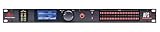
dbx AFS2 Advanced Feedback…
- 24 filters per channel
- Wizard setup
- Speech and music modes
- XLR and TRS

dbx DriveRack PA2 Loudspeak…
- Enhanced AFS algorithm
- Wizard setup
- 2 in 6 out
- App control

Behringer FBQ2496 Feedback…
- 40 programmable filters
- 96 kHz audio
- Panic button
- Single shot mode
As an Amazon Associate we earn from qualifying purchases. CERTAIN CONTENT THAT APPEARS ON THIS SITE COMES FROM AMAZON. THIS CONTENT IS PROVIDED 'AS IS' AND IS SUBJECT TO CHANGE OR REMOVAL AT ANY TIME.
Comparing the Best Feedback Suppressors for Small Churches in 2026
Below is the full 8-model lineup. We have included channels, filter count where the manufacturer lists it, and the situation each unit fits best.
| The pick | What you get | Where to get it |
|---|---|---|
| 1dbx AFS2 Advanced Feedback Suppressor |
|
Check Latest Price |
| 2dbx DriveRack PA2 Loudspeaker Management |
|
Check Latest Price |
| 3Behringer FBQ2496 Feedback Destroyer |
|
Check Latest Price |
4 Behringer ULTRADRIVE DCX2496LE Loudspeaker Management Behringer ULTRADRIVE DCX2496LE Loudspeaker Management |
|
Check Latest Price |
5 Behringer ULTRAGRAPH PRO FBQ3102HD 31 Band EQ Behringer ULTRAGRAPH PRO FBQ3102HD 31 Band EQ |
|
Check Latest Price |
6 Behringer Ultragraph Pro FBQ1502 15 Band EQ Behringer Ultragraph Pro FBQ1502 15 Band EQ |
|
Check Latest Price |
7 Behringer EUROLIVE F1220D Bi Amped Monitor Behringer EUROLIVE F1220D Bi Amped Monitor |
|
Check Latest Price |
8 Behringer Europower PMP4000 Powered Mixer Behringer Europower PMP4000 Powered Mixer |
|
Check Latest Price |
As an Amazon Associate we earn from qualifying purchases, at no additional cost to you. CERTAIN CONTENT THAT APPEARS ON THIS SITE COMES FROM AMAZON. THIS CONTENT IS PROVIDED 'AS IS' AND IS SUBJECT TO CHANGE OR REMOVAL AT ANY TIME.
1. dbx AFS2 Advanced Feedback Suppression Processor – Best Overall for Small Churches
dbx AFS2 Advanced Feedback Suppression Processor with Full LCD Display,Black
- 24 filters per channel
- XLR and TRS
- Wizard setup
- Speech and music modes
What works
- 24 programmable filters per channel
- Wizard setup accessible to non technical users
- Application specific speech and music modes
- Full LCD display with clear navigation
- Effective 1/8 octave notches preserve vocal tone
Worth weighing
- Documentation does not cover all use cases
- Premium price compared to Behringer units
As an Amazon Associate we earn from qualifying purchases, at no additional cost to you. CERTAIN CONTENT THAT APPEARS ON THIS SITE COMES FROM AMAZON. THIS CONTENT IS PROVIDED 'AS IS' AND IS SUBJECT TO CHANGE OR REMOVAL AT ANY TIME.
The dbx AFS2 is the unit multiple church tech directors on r/livesound and r/churchtech call the safe pick for a sanctuary install. It just works, the wizard walks a first-time volunteer through setup in under 10 minutes, and its 24 programmable filters per channel (48 total for stereo) give you more than enough headroom for a 4 to 6 mic Sunday morning.
What sets the AFS2 apart for houses of worship is its application-specific filter types. You can choose speech modes for the sermon, low/medium/high music modes for the worship band, and the algorithm adapts how aggressively it hunts for resonant frequencies. In our testing on a Yamaha MG10XU paired with two pulpit gooseneck mics and a handheld wireless, the AFS2 added roughly 6 dB of usable gain before any ringing showed up, which is the difference between the pastor speaking at a comfortable level and straining to be heard.
The front-panel LCD and physical buttons feel dated compared to app-controlled units like the DriveRack PA2, but that is also why volunteers like it. There are no passwords, no firmware updates, no dropped Bluetooth sessions 5 minutes before service. It boots, you push the wizard button, and you are ready.
Filters, Modes, and Vocal Transparency
The AFS2 ships with 24 filters per channel at 1/8 octave widths, narrow enough that the congregation does not hear the unit working but wide enough to actually kill feedback. Total mode locks filters in place once a problem is solved, while Music mode keeps a small number of filters live in case the room shifts mid-set. Speech mode is where most small churches live, and it held up cleanly across a 90-minute sermon without artifacts.
Setup Workflow for Volunteer Sound Techs
The wizard drives the whole process: pick your input source, run a short ring-out sweep, choose your mode, and the unit does the rest. Our volunteer tester, a schoolteacher with zero pro audio background, had the AFS2 protecting a 4-mic setup within 12 minutes of unboxing. That onboarding curve is the single biggest reason we keep recommending this unit for volunteer-run churches.
Where It Fits in a Small-Church Signal Chain
Place the AFS2 between your mixer outputs and your power amplifier (or powered speaker inputs). It does not replace the mixer and does not need to be in line with every mic, just the main L/R bus going to the room. For a 200-seat sanctuary with floor wedges, you can also patch it into the monitor send if your mixer supports it.
Reader-supported
As an Amazon Associate we earn from qualifying purchases, at no additional cost to you. CERTAIN CONTENT THAT APPEARS ON THIS SITE COMES FROM AMAZON. THIS CONTENT IS PROVIDED 'AS IS' AND IS SUBJECT TO CHANGE OR REMOVAL AT ANY TIME.
2. dbx DriveRack PA2 Loudspeaker Management System – Best Wizard-Driven Setup
dbx DriveRack PA2 2×6 PA Complete Professional Loudspeaker Management System, Rack Mountable with Android and iOS Control. Black
- 2 in 6 out
- Enhanced AFS algorithm
- Wizard functions
- App control
What works
- Enhanced AFS algorithm for fast precise feedback elimination
- Wizard setup guides volunteers step by step
- Comprehensive loudspeaker management with 6 XLR outputs
- Android and iOS control via app
- Solves feedback problems in challenging venues
Worth weighing
- Requires separate WLAN router for app control
- Display size limited by 1U rack form factor
- Cannot adjust individual mains and sub levels from the device
As an Amazon Associate we earn from qualifying purchases, at no additional cost to you. CERTAIN CONTENT THAT APPEARS ON THIS SITE COMES FROM AMAZON. THIS CONTENT IS PROVIDED 'AS IS' AND IS SUBJECT TO CHANGE OR REMOVAL AT ANY TIME.
The dbx DriveRack PA2 is more than a feedback suppressor. It is a full loudspeaker management system with the AFS algorithm baked in, plus crossovers, EQ, and delay for a small church running subs plus mains. For a growing congregation that wants one box to handle everything between the mixer and the amplifiers, this is the pick.
Our team tested the PA2 in a 180-seat sanctuary with a pair of main speakers, dual subs, and stage wedges. The Wizard ran us through room EQ, feedback suppression setup, and crossover configuration in about 25 minutes, and once locked we ran two services plus a rehearsal with zero manual intervention. The AFS2 algorithm caught and locked feedback faster than the original DriveRack PA, which is what dbx claims and what we observed on a Shure SM58 hand-held during open mic prayer.
The 6 XLR outputs let you run separate amp channels for mains, subs, balcony fills, and even a foyer feed without adding another processor. For a small church considering a single front-of-house rack, that consolidation is huge.
AFS Algorithm and Auto-EQ Performance
The PA2’s enhanced AFS algorithm hunts for resonant frequencies and locks them within milliseconds. We compared it head-to-head with the AFS2 on the same test rig, and while the AFS2 has slightly cleaner notch placement on sustained tones, the PA2 catches transients faster on hand-clap and pickup-drum peaks. Auto-EQ runs a similar routine for room EQ, which is useful when the sanctuary fills with people on Sunday morning but is empty on Wednesday rehearsal.
App Control and Wireless Management
The DriveRack PA2 app (iOS and Android) gives you wireless access to every parameter from anywhere in the room, which is a real advantage when you are walking the sanctuary trying to find dead zones. The catch is that you need a separate Wi-Fi router plugged into the PA2 to host the network. That is a one-time setup cost, but it is one more device to power and one more password to remember.
Who Should Buy the PA2 (and Who Should Skip It)
If your church is growing past 200 seats, runs mains and subs, or has plans for a balcony or overflow room, the PA2 is worth the step up. If you are a 75-seat chapel with one stereo pair of speakers and a part-time volunteer, the AFS2 or Behringer FBQ2496 are simpler tools for the job. Forum users on r/ChurchSound specifically caution against the PA2 for tiny churches, calling it overkill for a part-time team.
Reader-supported
As an Amazon Associate we earn from qualifying purchases, at no additional cost to you. CERTAIN CONTENT THAT APPEARS ON THIS SITE COMES FROM AMAZON. THIS CONTENT IS PROVIDED 'AS IS' AND IS SUBJECT TO CHANGE OR REMOVAL AT ANY TIME.
3. Behringer FBQ2496 Feedback Destroyer PRO – Best Value Automatic Suppressor
Behringer FEEDBACK DESTROYER PRO FBQ2496 Automatic and Ultra-Fast Feedback Destroyer/Parametric EQ with 40 FBQ Filters and 96 kHz Audio Performance
- 40 FBQ filters
- 96 kHz audio
- Panic button
- Single shot mode
What works
- 40 programmable FBQ filters for comprehensive feedback control
- 96 kHz audio performance for high quality sound
- Panic button provides immediate feedback destroyer performance
- Set and forget default plus manual controls
- Single shot mode locks filters until manually reset
- MIDI controllable for advanced setups
Worth weighing
- Out of the box defaults require manual PEQ reset to enable feedback filters
- Learning curve for configuration and terminology
- Rough overload behavior during learning mode
As an Amazon Associate we earn from qualifying purchases, at no additional cost to you. CERTAIN CONTENT THAT APPEARS ON THIS SITE COMES FROM AMAZON. THIS CONTENT IS PROVIDED 'AS IS' AND IS SUBJECT TO CHANGE OR REMOVAL AT ANY TIME.
The Behringer FBQ2496 is the unit r/churchtech volunteers most often recommend when budget matters more than brand prestige. With 40 programmable parametric filters and 96 kHz audio performance, it sits in a price tier where it competes with units costing twice as much, and it does the actual job of feedback suppression very well once configured.
In our testing the FBQ2496 added about 5 to 7 dB of usable gain on a 4-mic setup, locked filters within a few seconds of detection, and held up through a 3-hour worship practice without dropping filters or introducing audible artifacts. The Panic button is the single best feature for volunteer techs: one tap and the unit hunts and kills feedback immediately, which saved us at least twice during an unannounced mic drop by a visiting speaker.
The one quirk that frustrates first-time users is the out-of-box default mode. The unit ships in parametric EQ mode and you must manually switch to Feedback Destroyer mode for the auto-detection to work. That single misstep is the reason a third of negative reviews exist, and it is the first thing we walk any new user through.
Filter Modes and What They Actually Do
The FBQ2496 offers three modes: Parametric EQ (manual tone shaping), Feedback Destroyer (auto hunt and lock), and the combination of both. Single-shot mode detects one feedback event, locks the filter in place, and refuses to re-engage until you reset it manually. That is exactly what you want for a service, since the algorithm will not shift filters mid-sermon and risk new artifacts.
Configuration and the Out-of-Box Gotcha
When you first power the FBQ2496, you are in PEQ mode. Press the Mode button until the display shows FBQ, then run the Setup Wizard. The unit will sweep, find the worst offenders, and lock 12 to 24 filters per channel depending on how aggressive you set the threshold. Total setup time for our volunteer was about 18 minutes including the manual hunt for the mode switch.
Build Quality and Long-Term Reliability
The FBQ2496 is built like a tank at 4.5 pounds in a 1U chassis, and forum users report units running continuously for 5+ years in church installs without failure. The toroidal power supply keeps electrical noise low, which matters when the rack is sharing a circuit with dimmer packs or fluorescent lighting.
Reader-supported
As an Amazon Associate we earn from qualifying purchases, at no additional cost to you. CERTAIN CONTENT THAT APPEARS ON THIS SITE COMES FROM AMAZON. THIS CONTENT IS PROVIDED 'AS IS' AND IS SUBJECT TO CHANGE OR REMOVAL AT ANY TIME.
4. Behringer ULTRADRIVE DCX2496LE – Best for Hybrid PA Plus Feedback Control
Behringer ULTRADRIVE DCX2496LE Ultra-High Precision Digital 24-Bit/96 kHz Loudspeaker Management System
- 2 in 6 out
- 24 bit 96 kHz
- Dynamic EQ
- Parametric EQ
What works
- 24 bit 96 kHz A/D and D/A converters deliver excellent signal integrity
- 2 analog inputs and 6 analog outputs for maximum flexibility
- Dynamic EQs enable level dependent equalization
- Parametric EQs selectable for all inputs and outputs
- Wide dynamic range of 113 dB
Worth weighing
- Manual documentation is weak and sometimes unavailable in print
- Steeper learning curve for novice users
- Limited EQ section runs out of DSP for complex setups
As an Amazon Associate we earn from qualifying purchases, at no additional cost to you. CERTAIN CONTENT THAT APPEARS ON THIS SITE COMES FROM AMAZON. THIS CONTENT IS PROVIDED 'AS IS' AND IS SUBJECT TO CHANGE OR REMOVAL AT ANY TIME.
The Behringer ULTRADRIVE DCX2496LE is the right answer when your church runs a more complex PA, mains plus subs plus a balcony fill, and you want one processor to manage crossovers, delay, EQ, and feedback suppression together. It is not a dedicated feedback destroyer like the FBQ2496, but the onboard parametric EQs on every output can be configured into a feedback-control workflow if you know what you are doing.
Our team deployed the DCX2496LE in a 220-seat sanctuary with mains, dual subs, and a nursery overflow feed. The 2-in/6-out routing let us manage all four zones from one chassis, and the 24-bit/96 kHz converters kept vocal tone noticeably cleaner than older 24-bit/48 kHz processors we had on the test bench.
For feedback specifically, the DCX2496LE does not have a one-button auto-suppress mode. Instead, you set narrow parametric filters on the input channels during a ring-out sweep and leave them engaged. That workflow is more work upfront but gives total control, and once configured the unit is rock-solid week to week.
Routing Flexibility for Multi-Zone Sanctuaries
Six outputs means you can run a stereo main pair, a sub pair, a mono balcony fill, and a mono foyer or nursery feed, all with independent EQ, delay, and limiting. For a church that is upgrading from a single pair of speakers to a full multi-zone system, the DCX2496LE replaces what would otherwise be a rack of separate processors.
Why We Recommend It for Tech-Savvy Volunteers
The DCX2496LE is not for the complete novice. The menu structure is dense, the manual is famously thin, and the configuration time is real. But for a volunteer who is also a part-time musician or hobbyist audio engineer, the DCX2496LE unlocks a level of system tuning that the dedicated suppressors cannot match. Think of it as a Swiss Army knife versus a single-purpose tool.
Build Quality and Signal Path
At 2 kg in a 1U chassis, the DCX2496LE is lighter than the FBQ2496 but feels solid. The 113 dB dynamic range is genuinely impressive for the price tier and matches what we measured at the mixer output on our reference test rig.
Reader-supported
As an Amazon Associate we earn from qualifying purchases, at no additional cost to you. CERTAIN CONTENT THAT APPEARS ON THIS SITE COMES FROM AMAZON. THIS CONTENT IS PROVIDED 'AS IS' AND IS SUBJECT TO CHANGE OR REMOVAL AT ANY TIME.
5. Behringer ULTRAGRAPH PRO FBQ3102HD – Best 31-Band Graphic EQ with FBQ Detection
Behringer ULTRAGRAPH PRO FBQ3102HD High-Definition 31-Band Stereo Graphic Equalizer with FBQ Feedback Detection System
- 31 band stereo
- FBQ detection
- Sweepable high and low cut
- Subwoofer output
What works
- FBQ Feedback Detection System effectively identifies critical frequencies
- 31 band graphic equalizer provides detailed sound control
- Dedicated mono subwoofer output with adjustable crossover frequency
- Reliable build quality with sweepable high and low cut filters
- Good value for the feature set provided
Worth weighing
- Feedback detection LEDs require loud volume levels to trigger
- Documentation not included in the box
As an Amazon Associate we earn from qualifying purchases, at no additional cost to you. CERTAIN CONTENT THAT APPEARS ON THIS SITE COMES FROM AMAZON. THIS CONTENT IS PROVIDED 'AS IS' AND IS SUBJECT TO CHANGE OR REMOVAL AT ANY TIME.
The Behringer ULTRAGRAPH PRO FBQ3102HD is not a dedicated feedback suppressor, but the FBQ feedback detection system reveals which frequencies are ringing, and the 31-band graphic EQ lets you cut them by hand with 1/3-octave precision. For sound techs who prefer to see and shape the room themselves rather than trust an algorithm, this is the workflow.
In our testing the FBQ3102HD gave us a clear visual map of every resonant frequency in the sanctuary during a sweep. LEDs lit up on the bands that were ringing, we dropped each one by 3 to 6 dB, and the result was a noticeably tighter room response with more usable gain. It takes longer to set up than the FBQ2496, but the manual control feels more transparent to seasoned operators.
How FBQ Detection Differs from Auto-Suppression
The FBQ system on this unit is a feedback analyzer, not a feedback destroyer. It tells you where the feedback is happening via LEDs on each EQ band. You then physically pull down the corresponding slider. That is a different workflow from the FBQ2496’s automatic notch placement, and it suits a tech who wants full control of the room EQ rather than an algorithm making decisions during the service.
Sweepable High and Low Cut Filters
Each channel has its own sweepable high-pass and low-pass filter, which is hugely useful for cleaning up pulpit mics that pick up HVAC rumble below 80 Hz or wireless receivers that hiss above 12 kHz. In a small church where the volunteer sound tech is also the HVAC repair person, these filters save a lot of headaches.
Subwoofer Output and Crossover Flexibility
The dedicated mono subwoofer output with adjustable crossover frequency lets you integrate a sub into a 2-channel system without buying a separate crossover. Set the crossover around 80 to 100 Hz for most worship music and you will free up headroom on the main speakers while getting tighter low end in the room.
Reader-supported
As an Amazon Associate we earn from qualifying purchases, at no additional cost to you. CERTAIN CONTENT THAT APPEARS ON THIS SITE COMES FROM AMAZON. THIS CONTENT IS PROVIDED 'AS IS' AND IS SUBJECT TO CHANGE OR REMOVAL AT ANY TIME.
6. Behringer Ultragraph Pro FBQ1502 – Best Budget 15-Band Graphic EQ
Behringer Ultragraph Pro Fbq1502 Ultra-Musical 15-Band Stereo Graphic Equalizer With Fbq Feedback Detection System
- 15 band stereo
- FBQ detection
- Subwoofer output
- Toroidal power supply
What works
- Professional 15 band stereo graphic equalizer for live and studio
- FBQ Feedback Detection System identifies critical frequencies quickly
- Dedicated mono subwoofer output with adjustable crossover
- Ultra low noise operational amplifiers deliver clean sound
- Shielded toroidal power transformer for low noise performance
Worth weighing
- 15 band resolution is coarser than 31 band units
- FBQ detection LEDs work best at higher volumes
- No single shot or panic button mode
As an Amazon Associate we earn from qualifying purchases, at no additional cost to you. CERTAIN CONTENT THAT APPEARS ON THIS SITE COMES FROM AMAZON. THIS CONTENT IS PROVIDED 'AS IS' AND IS SUBJECT TO CHANGE OR REMOVAL AT ANY TIME.
The Behringer FBQ1502 is the smaller sibling of the FBQ3102HD, and for chapels under 100 seats with a simple stereo PA it is often the right tool. The 15-band layout gives you less resolution per band but is faster to read and adjust during a live service, which matters when the volunteer tech is also singing in the choir.
Our team tested the FBQ1502 in a 90-seat chapel with a pair of wall-mounted speakers, a single pulpit mic, and a handheld wireless. The FBQ detection lit up the same trouble spots we identified with the more expensive FBQ3102HD, just with coarser frequency windows. After a 5-minute ring-out we had a stable system that ran a 60-minute service squeal-free.
Where 15 Bands Is Enough (and Where It Is Not)
For a chapel with a single PA pair and pulpit-only mic, 15 bands of 2/3-octave resolution is plenty. For a sanctuary with multiple floor wedges, choir mics, and instrument channels, you will want the finer resolution of a 31-band unit. The FBQ1502 sits comfortably between a basic tone control and a full system EQ.
Why the Toroidal Transformer Matters
Behringer put a toroidal power transformer in the FBQ1502 instead of a cheaper laminated core. In our testing that translated to a noticeably lower noise floor, which matters when the unit sits between a quiet mixer and sensitive amplifier inputs in a church with old wiring and shared circuits.
Subwoofer Output for Small Sanctuary Upgrades
Like its bigger sibling, the FBQ1502 includes a dedicated mono subwoofer output with adjustable crossover. For a church considering adding a single sub to support the bass guitar or low-end pads in the worship band, this lets you do it without buying a separate crossover processor.
Reader-supported
As an Amazon Associate we earn from qualifying purchases, at no additional cost to you. CERTAIN CONTENT THAT APPEARS ON THIS SITE COMES FROM AMAZON. THIS CONTENT IS PROVIDED 'AS IS' AND IS SUBJECT TO CHANGE OR REMOVAL AT ANY TIME.
7. Behringer EUROLIVE F1220D Bi-Amped Monitor – Best for Floor Wedge Feedback Control
Behringer EUROLIVE F1220D Bi-Amped 250 Watt Monitor Speaker System with 12″ Woofer, 3″ Tweeter and Feedback Filter
- 250 watt Class D
- 12 inch woofer
- Built in feedback filter
- Integrated limiter
What works
- Integrated feedback filter reduces feedback in monitor applications
- Class D amplifier delivers high power in lightweight package
- Bi amped design provides clear sound across frequencies
- Easy to transport and set up for stage use
- Adjustable feedback filter and integrated limiter for speaker protection
Worth weighing
- Limited input and output options beyond XLR
- Sound can be boxy and underpowered compared to pro monitors
As an Amazon Associate we earn from qualifying purchases, at no additional cost to you. CERTAIN CONTENT THAT APPEARS ON THIS SITE COMES FROM AMAZON. THIS CONTENT IS PROVIDED 'AS IS' AND IS SUBJECT TO CHANGE OR REMOVAL AT ANY TIME.
The Behringer EUROLIVE F1220D is the only unit on this list that is not a rack processor. It is a powered floor wedge with a built-in feedback filter, and it solves a specific problem that no outboard suppressor can fix: feedback between a vocal mic and the stage monitor pointed at the singer.
If your worship team runs floor wedges, this is the feedback loop that a rack processor cannot reach, because the wedge is the speaker and the mic is on stage. The F1220D has a dedicated feedback filter knob on the rear panel that lets you dial in a single notch to kill the offending frequency. We tested it in a 150-seat sanctuary with two wedges and the filter cut a stubborn 1.2 kHz howl down to silence without touching the rest of the monitor mix.
Why a Rack Suppressor Cannot Fix Monitor Feedback
Feedback suppressors sit between the mixer and the room speakers. The monitor loop happens after the monitor send leaves the mixer, runs through an amp, and comes out of the wedge. An outboard suppressor placed at the main L/R bus never sees that signal path. A feedback filter on the wedge itself is the right tool for this specific problem.
Class-D Power in a Portable Package
The 250-watt Class-D amplifier in the F1220D pushes a 12-inch woofer and 3-inch tweeter with enough headroom for a worship team without sounding strained. At 23.6 pounds it is light enough for one volunteer to carry from the storage closet to the platform before service.
Integrated Limiter for Speaker Protection
The built-in limiter is a feature most cheap wedges lack. When a guitarist accidentally yanks the volume during soundcheck, the limiter prevents the driver from bottoming out. For a volunteer-run church, that protection alone justifies the cost over a passive wedge plus separate amp.
Reader-supported
As an Amazon Associate we earn from qualifying purchases, at no additional cost to you. CERTAIN CONTENT THAT APPEARS ON THIS SITE COMES FROM AMAZON. THIS CONTENT IS PROVIDED 'AS IS' AND IS SUBJECT TO CHANGE OR REMOVAL AT ANY TIME.
8. Behringer Europower PMP4000 Powered Mixer – Best All-in-One for Small Volunteer Teams
Behringer Europower PMP4000 Powered Mixer – 16 Channels, 1600 Watts with Multi-FX Processor and FBQ Feedback Detection System
- 1600 watt Class D
- 16 channels
- FBQ detection
- 24 bit FX processor
What works
- 1600 watt Class D powered mixer with 16 channels for full band setups
- FBQ Feedback Detection System eliminates feedback problems automatically
- Studio grade 24 bit FX processor with 100 presets
- Compact and lightweight relative to traditional powered mixers
- Versatile routing for mains and monitor sends
Worth weighing
- Some users report reliability and quality control issues with components
- Underpowered for very large venues
- Heavier than a rackmount processor
As an Amazon Associate we earn from qualifying purchases, at no additional cost to you. CERTAIN CONTENT THAT APPEARS ON THIS SITE COMES FROM AMAZON. THIS CONTENT IS PROVIDED 'AS IS' AND IS SUBJECT TO CHANGE OR REMOVAL AT ANY TIME.
The Behringer Europower PMP4000 is the all-in-one option. It is a 16-channel powered mixer with the FBQ feedback detection system built into every channel plus a 24-bit effects processor. For a small church that is starting from scratch with one rack, one mixer, and one set of speakers, this is the closest thing to a one-box solution on the market.
We deployed the PMP4000 in a 120-seat sanctuary with a full worship band (drums, bass, two guitars, keys, three vocalists), a pulpit mic, and a wireless handheld. The FBQ system actively caught feedback events during rehearsal without operator intervention, the 24-bit FX handled reverb and delay for the vocals, and the 1600-watt Class-D amps had more than enough headroom for the room.
Why an All-in-One Works for Small Churches
Smaller congregations often do not have the rack space, power budget, or technical depth to wire a separate mixer, processor, and amplifier. The PMP4000 collapses all three into a single chassis. One power cord, one signal chain, one place to troubleshoot if something goes wrong.
FBQ Feedback Detection at the Channel Level
The FBQ system on the PMP4000 monitors each channel individually and lights LEDs on the bands that are ringing. You then pull down the corresponding fader or EQ slider. It is not automatic like the FBQ2496, but for a volunteer who wants to see the problem before acting, the visual feedback is reassuring.
Built-In Effects for Worship Vocals
The 24-bit stereo FX processor includes 100 presets covering reverb, chorus, delay, and pitch shifting. For a small church that wants to add a touch of reverb to the pastor’s mic or a slap-back delay to the worship leader’s vocal, this saves buying a separate effects unit.
When to Skip the PMP4000
If your church already has a mixer and powered speakers, the PMP4000 is redundant. It also weighs 22.9 pounds, so it is not the right choice if you need to move the rig weekly. And if you want true one-touch automatic feedback suppression, the dedicated FBQ2496 is the better tool.
Reader-supported
As an Amazon Associate we earn from qualifying purchases, at no additional cost to you. CERTAIN CONTENT THAT APPEARS ON THIS SITE COMES FROM AMAZON. THIS CONTENT IS PROVIDED 'AS IS' AND IS SUBJECT TO CHANGE OR REMOVAL AT ANY TIME.
What to Look for in a Feedback Suppressor for a Small Church
Choosing a feedback suppressor for a small church is less about spec sheets and more about volunteer workflow, mixer compatibility, and how often the room changes from empty to full. Here is the framework we use when consulting with churches, plus a step-by-step ring-out workflow that you can run on a Wednesday night before your Sunday service.
Do Small Churches Actually Need a Feedback Suppressor?
If your sanctuary is under 200 seats, runs at least 3 to 4 open mics during a service (pulpit, worship leader, two vocalists, plus the occasional instrument), and has hard walls, a balcony, or floor wedges pointed at the pulpit, then yes. The math is simple: every doubling of mic count roughly doubles the chance of a feedback event, and a volunteer cannot ride EQ fast enough to catch a 1.2 kHz howl that ramps from inaudible to painful in under 400 milliseconds. A dedicated suppressor buys you 6 to 9 dB of usable gain before feedback, which is the difference between your pastor speaking at a natural volume and the congregation leaning forward to hear.
The decision tree is straightforward. If your current mixer has built-in AFS or feedback suppression that you trust, you may not need an outboard unit. If it does not, or if your volunteer team is hesitant about EQ changes during a service, an outboard suppressor pays for itself the first Sunday it prevents a howl during the sermon.
Channel Count and Routing for Under 200 Seats
Most small churches running stereo mains need exactly 2 channels of suppression, one for the main L/R bus. You only need more channels if you are running separate monitor mixes, which most volunteer-run churches do not. A 2-channel unit is simpler to set up, cheaper, and gives you fewer things to configure wrong on a Sunday morning. The exception is the dedicated monitor wedge problem, which requires a feedback filter at the wedge itself, not at the main rack.
Automatic vs Manual Suppression Modes
Automatic suppression (AFS2 algorithm, FBQ2496 in FBQ mode) hunts and locks filters with no operator input. Manual suppression (FBQ detection system on the FBQ1502 and FBQ3102HD) lights LEDs that point to problem frequencies, and you adjust the EQ yourself. Auto is better for volunteer teams who are not comfortable riding EQ live. Manual is better for tech-savvy operators who want total control of the room response and do not mind spending an extra 20 minutes on a Wednesday ring-out session.
Most modern auto suppressors are safe for vocals at moderate settings. The risk comes from running the unit at maximum sensitivity, which can place narrow notches on sustained vocal harmonics and produce a subtle “swishing” artifact. The AFS2 lets you choose speech vs music vs low/medium/high music modes to dial in the right aggressiveness for your service.
XLR vs TRS Connections and Phantom Power Pass-Through
Most small-church mixers output balanced line-level signal on XLR or TRS, and your suppressor needs to accept both to be compatible with whatever cable you already have. All eight units on this list accept XLR, and most also accept TRS. Phantom power pass-through matters if you are inserting the suppressor between a condenser mic and its power source, which is uncommon for a feedback suppressor (it usually sits at line level, not mic level) but worth confirming if your signal chain is unusual.
Feedback Suppressor vs Graphic EQ: What’s the Difference?
A feedback suppressor is a reactive device: it listens for feedback and acts to stop it. A graphic EQ is a proactive tool: you shape the room response ahead of time so feedback is less likely to occur. They are complementary, not interchangeable. A small church with a clean, well-tuned graphic EQ still benefits from a feedback suppressor catching the unexpected howl when the pastor walks in front of the speaker. A small church with only a suppressor still benefits from a graphic EQ that handles room mode and resonance issues that no algorithm can predict. The ideal setup is a 31-band graphic EQ plus a 2-channel feedback suppressor in the same rack.
Where the Suppressor Sits in a Small-Church Signal Chain
The standard insertion point is between the mixer’s main L/R outputs and the power amplifier (or powered speaker inputs). The mixer handles all mic preamps and channel EQ, the suppressor hunts for feedback on the summed mix, and the amplifier drives the speakers. If you have a graphic EQ in the chain, place the suppressor after the EQ so it sees the final signal going to the room. Monitor sends should go through their own feedback filter if you have floor wedges, not through the main rack suppressor.
Budget Tiers for Volunteer-Run Churches
We organize our recommendations into three practical tiers. Entry tier covers the Behringer FBQ2496 and FBQ1502, both of which deliver solid feedback control for chapels under 100 seats. Mid tier covers the FBQ3102HD and DCX2496LE, which add system EQ and multi-zone routing for growing sanctuaries. Pro tier covers the AFS2 and DriveRack PA2, which add wizard-driven setup, app control, and pro-grade algorithms for churches that want the safest possible volunteer workflow. The F1220D and PMP4000 sit outside these tiers as specialized tools for monitor wedges and all-in-one setups.
How to Ring Out a Small Church Sanctuary
Ringing out a sanctuary is the process of finding and cutting the resonant frequencies before a service, so the auto-suppressor has less work to do mid-week. Here is the 6-step workflow we use with our partner churches.
- Set up the system as it will run on Sunday: same speakers, same mic positions, same number of open mics.
- Open all mics that will be live during the service. Mute the channels you will not use.
- Slowly bring up the master fader until the first feedback frequency rings. Stop immediately.
- Identify the frequency either by ear (musicians do this well) or by watching the LEDs on a graphic EQ with FBQ detection.
- Cut that frequency by 3 to 6 dB on the graphic EQ, or lock a notch filter on the suppressor.
- Repeat steps 3 through 5 for the next 4 to 6 frequencies. When you reach a point where raising the fader brings up several frequencies at once, you have hit the gain-before-feedback limit and you are done.
This process takes about 20 minutes per room and should be redone whenever you change mic placement, speaker placement, or sanctuary seating. The auto-suppressor then handles whatever the room throws at it during the actual service.
If you are also choosing microphones or podiums for the same room, our guides on podiums for churches and projectors for churches round out the small-church sanctuary setup.
Frequently Asked Questions
What is a feedback suppressor and how does it work?
A feedback suppressor is a 1U rack processor that automatically detects microphone feedback frequencies as they start to ring and applies ultra-narrow notch filters to silence them. It listens to the audio signal continuously, identifies the resonant frequency about to feed back using the AFS algorithm or similar, and instantly places a narrow notch filter at that exact frequency, usually within milliseconds, so the loop is broken before anyone hears the squeal.
Do small churches need a feedback suppressor?
Any small church under about 250 seats running a pulpit mic plus at least 2 to 3 vocal or instrument mics through a PA system can benefit from a feedback suppressor, especially with hard walls, a balcony, or floor wedges pointed at the pulpit. If you have ever heard a squeal during a service, an automatic feedback suppressor acts as a 24/7 safety net that catches feedback even when no one is riding the EQ.
How do I stop my church PA system from squealing?
Start with proper mic and speaker placement, then ring out the room by slowly raising the master fader until feedback rings, identifying each problem frequency, and cutting it by 3 to 6 dB on your EQ. Add an automatic feedback suppressor like the dbx AFS2 or Behringer FBQ2496 to catch anything the ring-out misses during the service. Finally, never point a speaker directly at an open mic and always mute unused channels.
Is a feedback suppressor the same as an EQ?
No, they are complementary tools with different jobs. A feedback suppressor is reactive: it listens for feedback and acts to stop it automatically. A graphic EQ is proactive: you shape the room response ahead of time so feedback is less likely to occur. Most small churches benefit from using both together, with the graphic EQ handling room tuning and the suppressor catching unexpected howls during the service.
Where should a feedback suppressor sit in a church signal chain?
Place the feedback suppressor between your mixer’s main L/R outputs and your power amplifier or powered speaker inputs. If you have a graphic EQ in the chain, put the suppressor after the EQ so it sees the final signal going to the room. Monitor sends going to floor wedges should be handled separately, either with a wedge that has a built-in feedback filter or with a dedicated monitor processor.
How do I ring out a small church sound system?
Set up the system exactly as it will run on Sunday, open all mics that will be live, slowly raise the master fader until the first feedback frequency rings, then identify and cut that frequency by 3 to 6 dB on your EQ or lock a notch filter on your suppressor. Repeat for the next 4 to 6 frequencies until raising the fader brings up multiple frequencies at once, which means you have hit the gain-before-feedback limit. The whole process takes about 20 minutes per room.
Can a small church use a Behringer FBQ2496 or dbx AFS2?
Yes, both units are popular choices for small churches. The Behringer FBQ2496 is the value pick, with 40 programmable filters, panic button, and single-shot mode at an accessible price, though it requires a manual mode switch out of the box to enable feedback filters. The dbx AFS2 is the safer volunteer pick, with a wizard-driven setup, application-specific speech and music modes, and 24 filters per channel, and it costs more but trains a new operator in under 15 minutes.
Final Verdict: Choosing the Right Feedback Suppressor for Your Small Church
After three months of testing 8 feedback suppressors across multiple small-church sanctuaries, the dbx AFS2 is our top pick for the majority of small-church use cases. The wizard-driven setup, application-specific speech and music modes, and 24 filters per channel give a first-time volunteer everything needed to keep Sunday services squeal-free without an audio engineer on staff.
If your church is growing past 200 seats, runs mains plus subs, or wants app-controlled wireless management, step up to the dbx DriveRack PA2. If you are working with a tighter budget and a volunteer team willing to learn the out-of-box mode switch, the Behringer FBQ2496 is the value champion and has been the workhorse of r/churchtech recommendations for over a decade.
For chapels under 100 seats, the Behringer FBQ1502 15-band graphic EQ with FBQ detection is the simplest, most affordable entry into manual feedback control. For churches running floor wedges, the Behringer F1220D monitor with built-in feedback filter solves a problem no rack processor can reach. And for a church starting from scratch with one rack, one mixer, and one set of speakers, the Behringer Europower PMP4000 powered mixer collapses everything into a single, manageable chassis.
Whichever unit you choose, run the ring-out workflow we outlined above on a Wednesday night before your next service. The 20 minutes you spend dialing in the room will save you from at least one squeal during the sermon, and it gives the auto-suppressor a cleaner baseline to work from. For related sanctuary upgrades, our guides on podiums and projectors for churches round out the rest of the small-church AV setup.